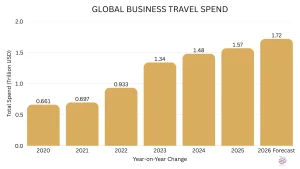
The corporate travel landscape of 2026 looks radically different from what it did just five years ago. For project-based firms like architectural agencies, IT consultancy groups, oil and gas engineering teams, and film production houses, the “standard hotel stay” has become an obsolete relic. Today, the savvy choice is serviced apartments.
As firms deploy teams to emerging markets like Accra for months at a time, the limitations of a hotel room become glaringly obvious. In 2026, the priority has shifted from mere “lodging” to “living.” Corporate travel managers are now prioritizing employee mental health, cost-efficiency, and operational flexibility.
At Kharis Hospitality & Logistics, we have seen a 45% increase in long-term bookings from international project teams. Here is an in-depth look at the data and the human factors driving this massive shift toward serviced apartments.
1. The Superior Economics of the Extended Stay
For any firm managing a project budget, the bottom line is the primary driver. In 2026, the cost-benefit analysis heavily favours serviced apartments over traditional luxury hotels.
Tax Advantages and Tiered Pricing
Unlike hotels, which often charge a flat nightly rate regardless of length, serviced apartment providers utilize a “descending scale” pricing model.
- The 30-Day Threshold: In many jurisdictions, stays over 30 days are exempt from certain hospitality taxes, a saving that is passed directly to the firm.
- Big Savings on Rooms: Industry experts at SilverDoor found that serviced apartments cost about 25% less than a similar hotel room.
- The “7-Night Rule”: The Global Serviced Apartments Industry Report (GSAIR) study shows that once a stay hits 7 nights or longer, serviced apartments become the “gold standard” for saving money.
- No More “Hidden” Fees: You stop overpaying for expensive hotel room service and laundry. Having your own kitchen and washing machine means you keep more of your project budget in your pocket.
2. Productivity and the “Home-Office” Hybrid
In 2026, the “Work from Anywhere” (WFA) culture has evolved into “Work from the Apartment.” Project-based firms require environments that foster deep focus and collaboration, something a cramped hotel lobby cannot provide.
Specialized Workspace Infrastructure
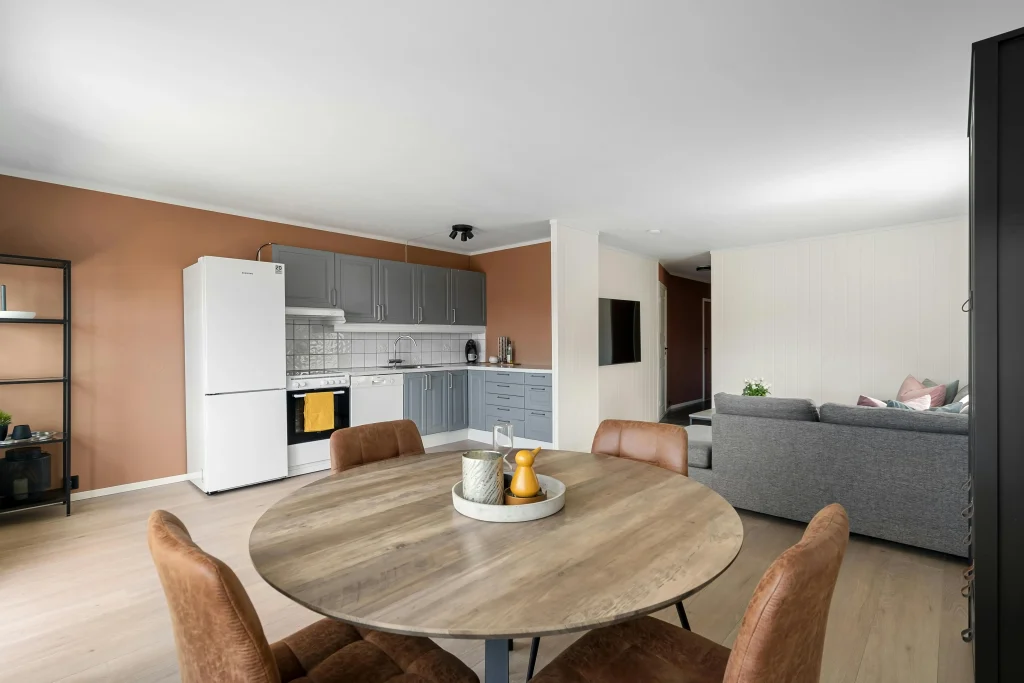
Modern serviced apartments are now designed with high-output professionals in mind. Features that have become non-negotiable in 2026 include:
- Dedicated Work Zones: Ergonomic chairs and proper desks that aren’t just converted vanity tables.
- High-Speed Fiber Connectivity: Hotels often struggle with bandwidth during peak hours. Serviced units typically offer private, dedicated lines.
- Meeting Privacy: Being able to host a team briefing in a private dining room rather than a public hotel cafe ensures intellectual property (IP) security.
When teams feel at home, their cognitive load decreases, allowing them to focus entirely on the project at hand. This “productivity surplus” is a key reason why serviced apartments are the preferred choice for technical project teams.
3. Combating “Hotel Fatigue” and Prioritizing Mental Health
Employee retention is the greatest challenge for project-based firms in 2026. “Hotel fatigue,” the psychological burnout associated with living out of a suitcase, leads to high turnover and decreased morale.
The Power of Routine
The most significant advantage of serviced apartments is the ability to maintain a normal lifestyle.
- Nutritional Control: Being able to cook a meal at 10:00 PM after a long day at the site, rather than relying on a limited room service menu, is vital for long-term health.
- Laundry Independence: Having an in-unit washer and dryer eliminates the stress and high cost of hotel laundry services.
- Space to Breathe: Separate sleeping and living areas allow employees to mentally “switch off” from work, something nearly impossible when your bed is three feet from your laptop.
By choosing serviced apartments, firms are signaling to their employees that their well-being is a corporate priority.
4. ESG and Sustainability: The 2026 Corporate Mandate
Environmental, Social, and Governance (ESG) criteria are now at the center of corporate travel policies. In 2026, many firms are required to report their carbon footprint for every project.
The Green Footprint of Serviced Apartments
Research indicates that serviced apartments are inherently more sustainable than hotels.
- Reduced Resource Waste: Hotels require massive amounts of energy to run industrial kitchens, constant linen changes, and climate control for massive lobbies.
- Smart Energy Management: Most modern serviced units in Accra now use “smart” systems that cut power when the unit is unoccupied.
- Local Sourcing: Guests in apartments tend to shop at local markets and grocery stores, supporting the local economy more directly than a centralized hotel supply chain.
For a firm looking to meet its 2026 sustainability targets, moving stays into serviced apartments is a quantifiable way to reduce its project’s environmental impact.
5. Seamless Integration with Local Logistics
When a firm chooses a hotel, it is often isolated in a “tourist bubble.” When they choose serviced apartments, they are integrated into the community. However, this requires a partner who understands the local landscape.
The Kharis Logistics Advantage
This is where Kharis Hospitality & Logistics bridges the gap. We don’t just provide a key; we provide a local ecosystem.
- Neighborhood Selection: We place teams in areas to ensure they are close to their project site, minimizing commute times.
- Integrated Transport: We pair our apartment stays with dedicated chauffeur services (upon request), ensuring the team is never stranded.
- Protocol Support: We handle the necessary documentation and permits so the firm can focus on the project, not the paperwork.
6. The “Film and Production” Perspective: A Case Study
The film and media industry is perhaps the most demanding “project-based” sector. Production crews require space for equipment, private areas for cast rehearsals, and 24/7 flexibility.
This year, a major streaming service filming a documentary series in Ghana opted for a block of serviced apartments over a 5-star hotel. The result?
- Zero Equipment Lost: The controlled, private access of the apartments provided better security for expensive gear.
- 24/7 Catering Control: The crew used the apartment kitchens to prep meals that met specific dietary requirements for the cast.
- Privacy: High-profile talent preferred the anonymity of a luxury apartment building over the public-facing nature of a hotel lobby.
Conclusion: The Genius Choice for Your 2026 Project
The evidence is overwhelming. Whether you are measuring success by the balance sheet, employee retention rates, or ESG scores, serviced apartments outperform hotels in every category for the long-term project traveler.
Project-based firms are no longer looking for a place to sleep; they are looking for a base of operations. A base that offers the comfort of a home, the efficiency of an office, and the flexibility of a private residence.
Is your firm planning its next project in Ghana?
At Kharis Hospitality & Logistics, we specialize in the “soft landing” for project teams. We understand the high stakes of your mission and provide the premium serviced apartments and logistical support you need to succeed.
[Book a Consultation for Your Team’s 2026 Project Accommodation Today]